


When the sun slips behind the red rock horizon, Moab doesn’t go to sleep—it comes alive. The dramatic landscapes that draw visitors during the day transform into a quieter, more mysterious world shaped by moonlight, starlight and wide-open skies. Night invites a slower, more deliberate pace, where every sound carries further and every view feels a little more profound.
Exploring Moab After Dark
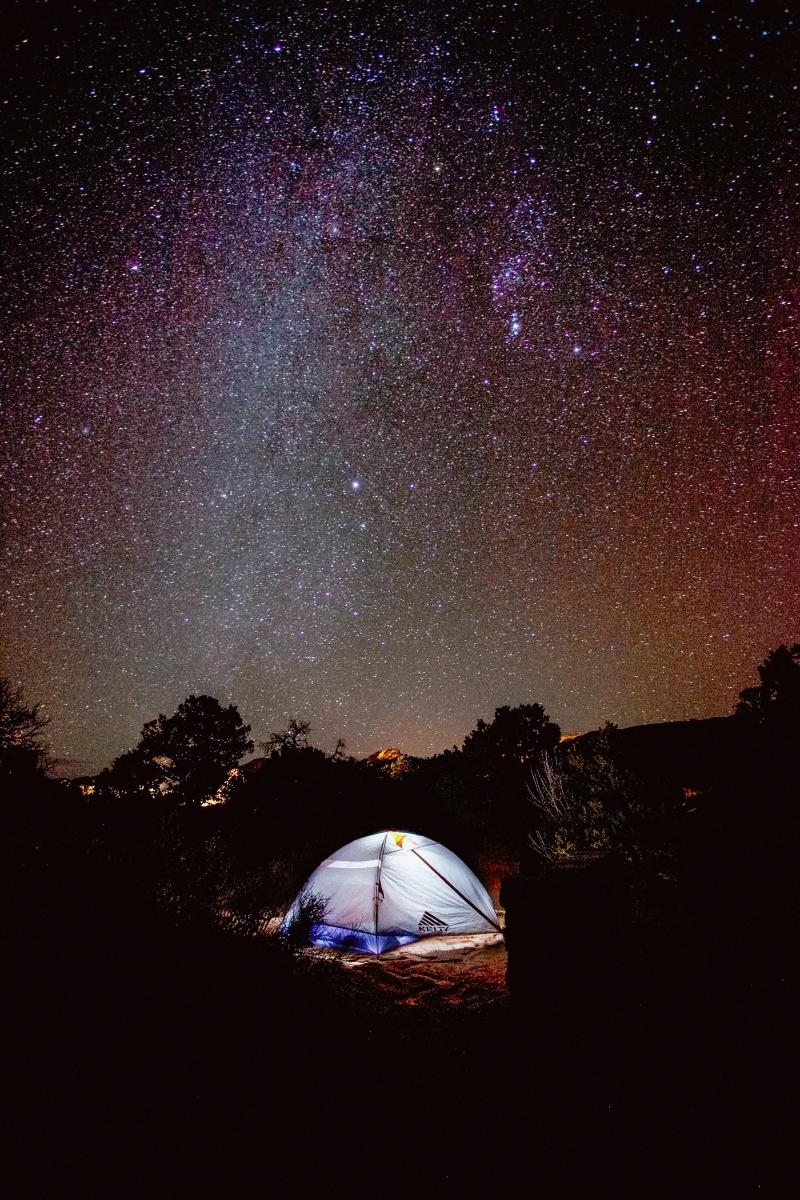
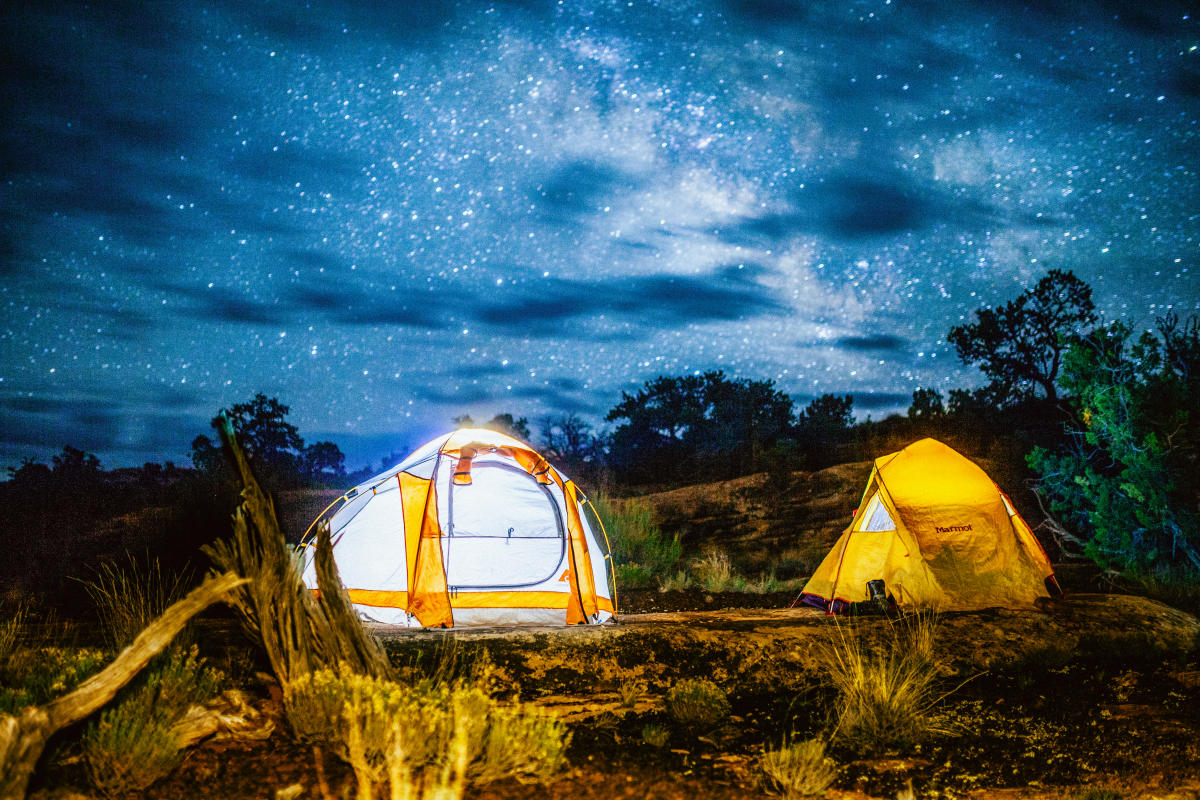
Moab has earned a reputation as one of the premier destinations for stargazing and noctourism in the American West, and for good reason. Surrounded by three certified International Dark Sky Parks—Arches National Park, Canyonlands National Park, and Dead Horse Point State Park—the region offers remarkably low light pollution and some of the clearest night skies in the county. Summer brings prime Milky Way viewing, while August delivers the spectacular Perseid Meteor Shower, when shooting stars streak across the desert sky.
Top Trails for Night Hikes
Exploring Moab at night adds a new dimension to familiar trails, but it also requires a bit more attention. When your view is limited to the reach of a headlamp or trail markers, terrain features become much more important than they are during the day. Take your time, stay aware of your surroundings and remember: night hiking in Moab is about experiencing the landscape differently, not moving faster through it.
The Windows Section of Arches National Park
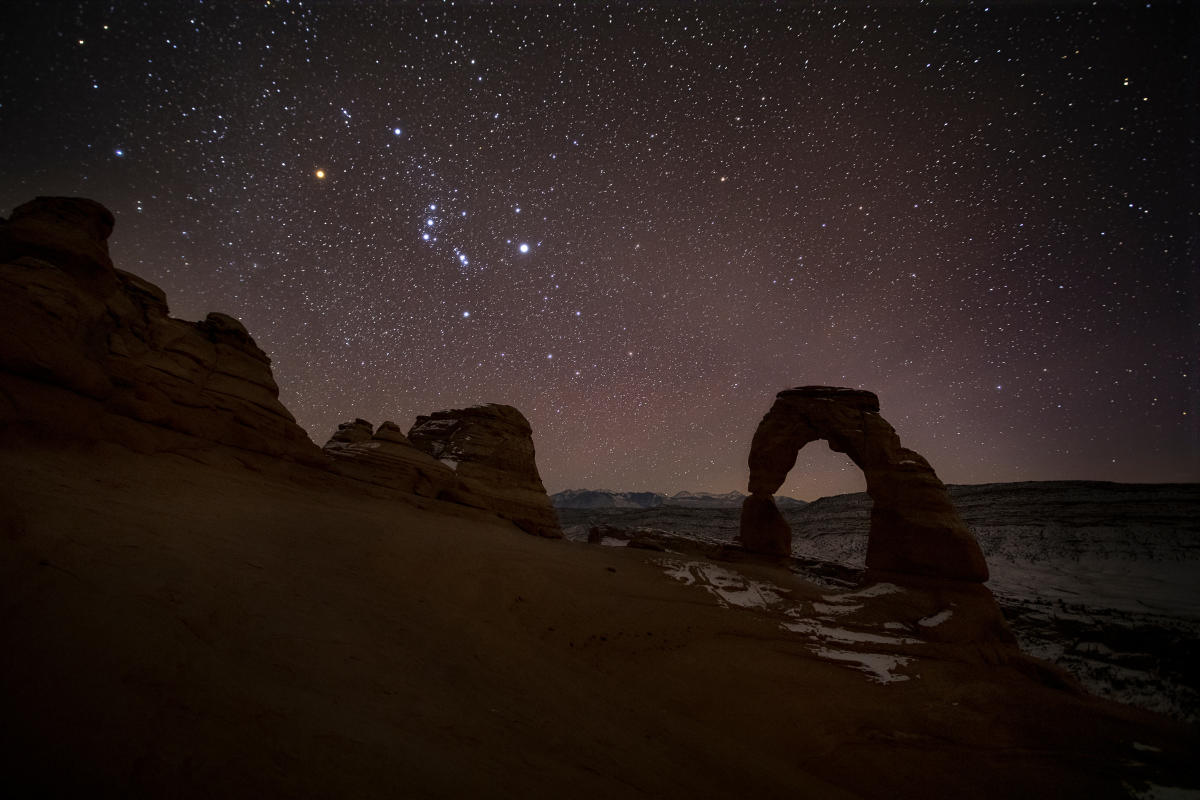
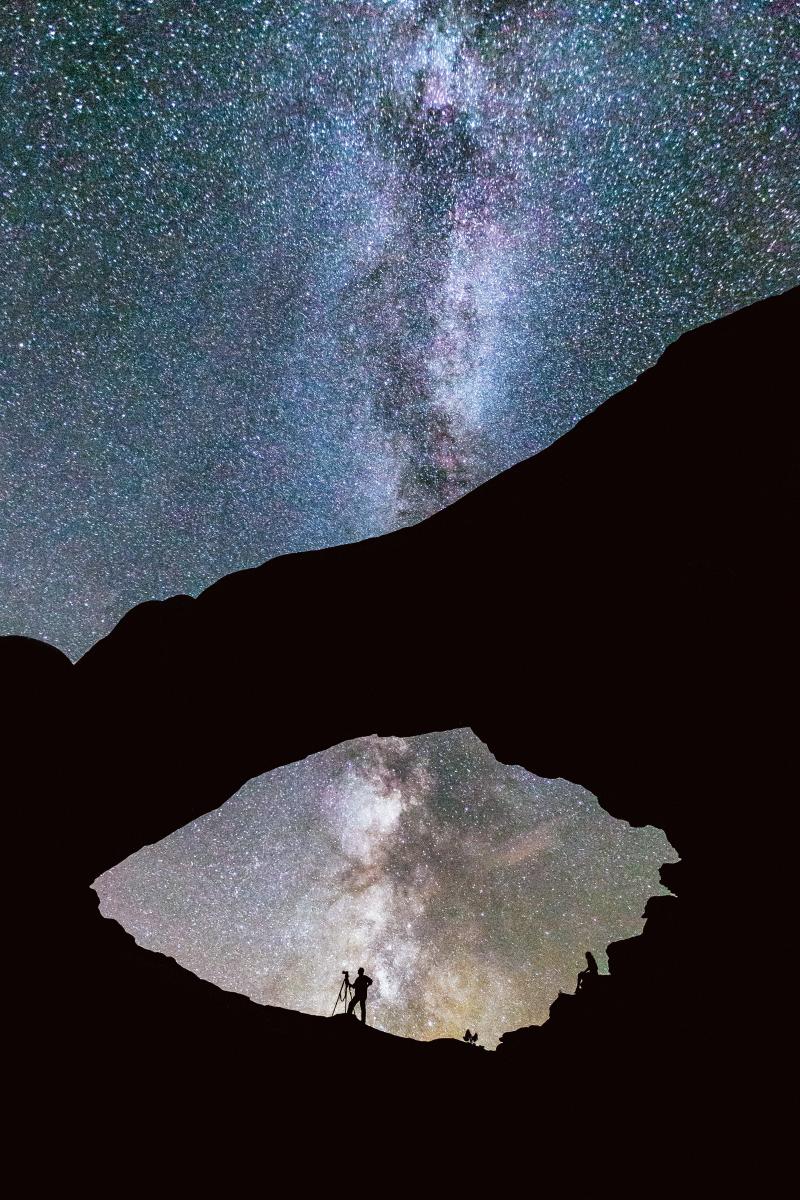
As crowds disappear, a quieter side of Arches National Park emerges, with massive stone arches silhouetted against a sky full of stars. Considered by some to be the beating heart of Arches National Park, the Windows Section features a large concentration of arches and is one of the most scenic locations in the park.
The first 100 yards of the Windows trail is flat, hard-packed and considered "barrier-free,” but expect stone steps and uneven surfaces as you get closer.
Local Tip: The rock stays warm for hours after sunset in the summer, but spring nights can turn crisp quickly, so be sure to pack an extra layer.
Corona Arch Trail (BLM Land)
Located on Bureau of Land Management land, the Corona Arch Trail offers a quieter alternative to the national parks while delivering equally impressive scenery. The route winds beneath towering canyon walls and passes both Pinto and Bowtie Arches before arriving at the massive span of Corona Arch itself. When the moon is at its brightest, keep an eye out for dramatic shadows across the sandstone.
Local Tip: Because this route includes safety cables and a short ladder section, time your hike during a waxing or full moon to ensure high natural visibility.
Grand View Point Trail (Canyonlands National Park)
Perched along the edge of the Island in the Sky plateau, Grand View Point Trail offers one of Moab’s most stunning nighttime experiences. This short, mostly flat trail follows the canton rim, making it the perfect spot for stargazing. A paved sidewalk leads to the first lookout, but if you continue to the second lookout, expect stone steps and an uneven path.
Local Tip: The high elevation often brings clearer skies—and stronger winds. Remember to use a headlamp and maintain a safe distance from the canyon edge.
Guided Experiences During The Evening
Don’t want to venture into the darkness on your own? Guided night tours for stargazing in Moab offer an “inside track” experience that lets you focus on the desert's beauty rather than managing logistics or navigation.
Guided State Park Night Hikes & Activities
Guided night hikes and evening programs offer a unique way to experience Moab after dark. Throughout the summer, Dead Horse Point and Utahraptor State Park rangers lead visitors on guided nighttime excursions such as constellation quests, scorpion searches (with a UV/blacklight flashlight!), and stargazing.
Guided Stargazing
For a fully immersive night sky experience, local guides like Moab Dark Sky Tours and Stargazing Moab offer guided astronomy tours that bring the desert sky into focus. With expert knowledge, telescopes, and astrophotography tips, you’ll be able to see constellations, planets, galaxies and even nebulae.
Local Tips for Night Hiking in Moab
The same landscapes that invite adventure also require stewardship—both for personal safety and for protecting Moab’s fragile desert ecosystems. Moving thoughtfully, staying prepared, and respecting the terrain ensure these celestial adventures remain sustainable for years to come.
Protect Your Night Vision with Red Light
Using a red-light setting on headlamps helps preserve your natural night vision, making it easier to adjust between close-up terrain and night sky viewing. It also reduces light pollution for others nearby, which is especially important for astrophotographers. If you plan to stargaze, plan your excursion around the moon—yes, you read that right. When the moon is at its darkest, like during a new moon, stars will be more visible.
Keeping the Desert Alive: Stay on the Trail
In low light, it’s easy to step off the trail—but doing so can encourage erosion and destroy the layer that helps it retain moisture. This fragile ecosystem can take decades to recover from a single footprint. Staying on designated trails isn’t just recommended; it’s essential for preserving Moab’s desert landscapes.
Navigation: Trust the Cairns, Not Your Phone
Not only will looking at a bright screen prevent your eyes from adjusting to the darkness, but cell service can also be unreliable. Follow rock cairns and established trail markers to stay oriented, and avoid shortcuts that may lead you off route.
Check Upstream Weather and Temperatures
Desert temps can drop rapidly after sunset, sometimes by 30 degrees or more, so layering is key. Even more critical is monitoring upstream weather conditions, as flash floods can occur miles away without rain where you are. At night, storms are harder to see coming, making it crucial to check the weather before you head out for a safe and successful adventure.