

Biological Soil Crust
Your help is crucial in preserving our trails and protecting the fragile soil that sustains the desert ecosystem. The biological soil crust, also known as cryptobiotic soil, serves as the foundation for desert plant life. This unique black, knobby crust is composed of diverse living organisms and plays a vital role in maintaining the delicate balance of the desert environment.
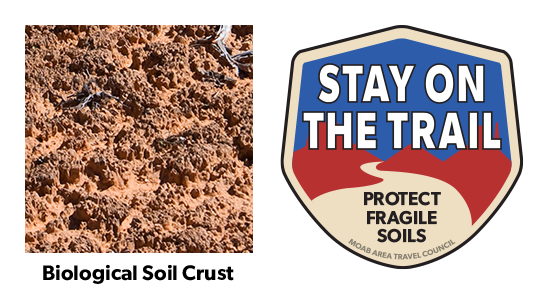
However, this soil crust is exceptionally delicate and can take several decades to regenerate. Even a single footstep can cause irreparable damage that can persist for years, impacting the entire ecosystem. We urge you to stay on designated roads, routes, and trails to ensure the preservation of this fragile life. In areas where hiking trails are not established, it is advisable to hike on sandy washes or bare rock surfaces to minimize the impact on the soil.
By remaining vigilant and adhering to these guidelines, you contribute to the long-term sustainability of the desert ecosystem and help safeguard its natural beauty for generations to come. Let’s work together to keep all of our trails open and protect the invaluable biological soil crust.


Moab’s Electric Vehicle Charging Stations
Through a $50,000 grant from Rocky Mountain Power’s Plug-In Electric Vehicle Program, the City of Moab has installed 10 level 2 electric vehicle charging stations at five locations throughout the community. Plug-in electric vehicles can help substantially improve air quality because they have zero, or very little, tailpipe emissions. Conventional vehicles produce carbon dioxide, carbon monoxide, sulfur dioxide and nitrogen oxides. At level 2 stations, a vehicle can be fully charged in four-to-six hours.
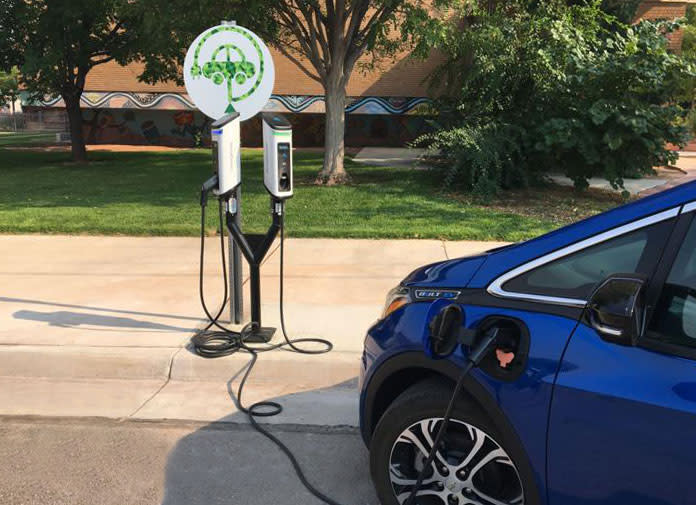
The charging station initiative is part of an effort to transform the region’s transportation system by incentivizing the development of geographically dispersed charging infrastructure, increased energy security through reduced petroleum usage, and the implementation of reliable alternative transportation.
The new charging stations are located at:
- ACT Campground, 1536 S. Mill Creek Drive
- Adventure Inn, 512 N. Main St.
- Center Street Gym, 203 E. Center St.
- Moab Golf Course, 2705 East Bench Rd
- Moab Springs Ranch, 1266 N. U.S. Highway 191
- Rocky Mountain Power Office, 400 N 100 W
Tesla Supercharger Stations
In addition to the 10 level 2 electric vehicle charging stations, Moab also has 4 Tesla Supercharger stations. Superchargers provide Tesla vehicles with half a charge in about 20 minutes. The 4 stations are located at:
- Best Western Plus Moab, 16 South Main St
Widespread vehicle electrification across the country could reduce greenhouse gas emissions by between 430 million metric tons and 550 million metric tons annually by 2050. In a recent study, the Utah Department of Transportation recorded an average of 13,000 vehicles at the intersection of Main and Center streets. If one percent of those vehicles were electric, an average of 124,800 pounds (62 tons) of air pollution could be avoided locally each year.


