


Moab’s towering arches, sweeping canyon views, and endless desert horizons inspire a sense of wonder. While the landscape is often associated with slickrock paths and rugged cliffs, many of the area’s most memorable experiences can be enjoyed without tackling or navigating challenging terrain. From accessible viewpoints and scenic drives to adaptive recreation opportunities and welcoming community spaces, Moab offers countless ways to connect with the beauty of red rock country.
The key to experiencing Moab isn’t how far you travel—it’s how deeply you engage with the landscape around you.
Wheelchair Accessible Activities in Nearby State & National Parks
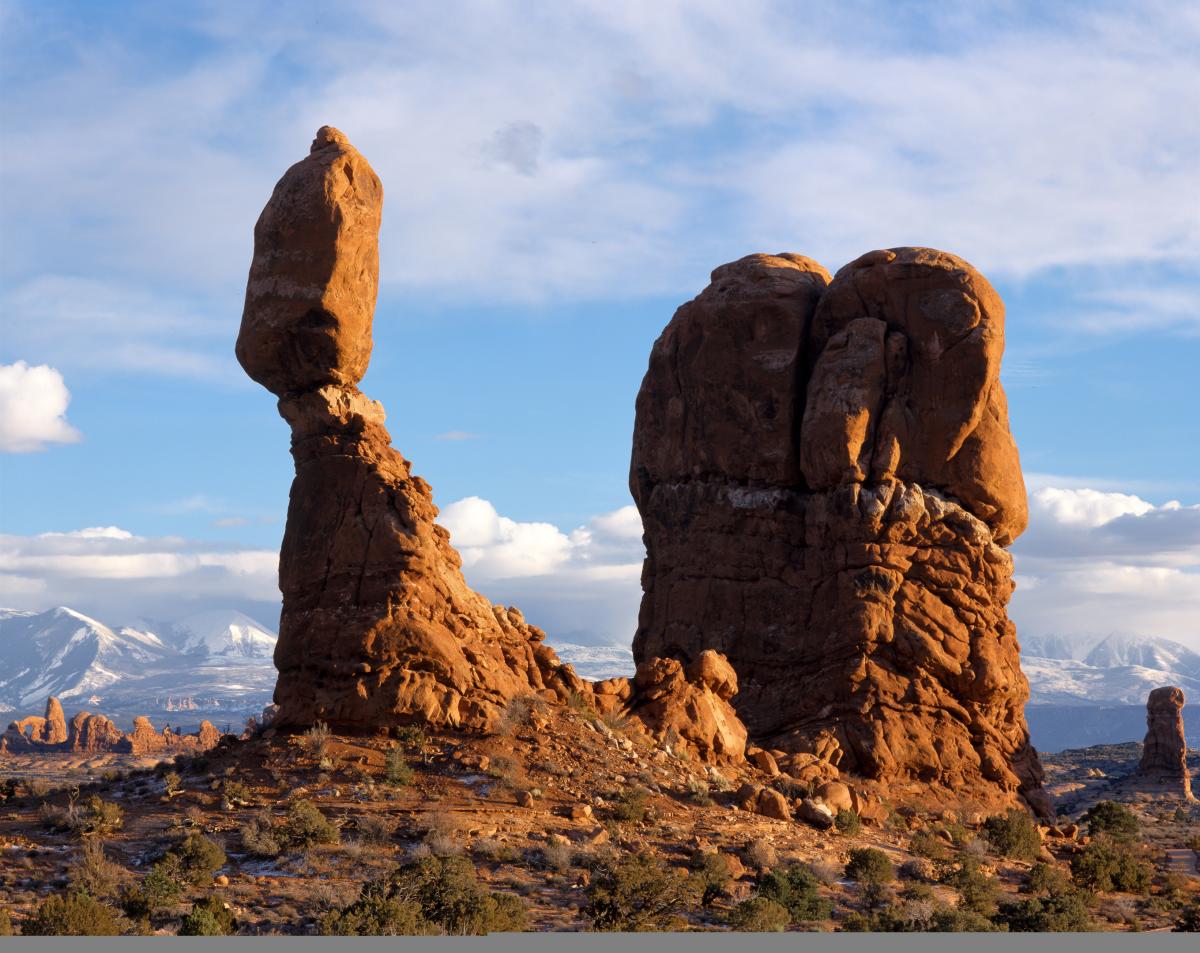
Some of Moab's most spectacular views are surprisingly accessible. In Arches National Park, the paved Balanced Rock Trail and Panorama Point both end at stunning viewpoints, while Double Arch Trail, The Windows Section (first 100 yards), and Delicate Arch Viewpoint all feature flat, hardened surfaces that are considered ADA-accessible trails.
The Island in the Sky district in Canyonlands National Park is accessible thanks to its postcard-worthy overlooks, often accessed right from the parking lot. Start your day with a fiery sunrise at Mesa Arch Viewpoint, then visit a variety of overlooks like Green River, Buck Canyon, and Grand View Point—just to name a few!
Both national park visitor centers are equipped with ADA-accessible/wheelchair-accessible bathrooms.
Within Dead Horse Point State Park, the 200-foot (one-way) paved and ADA-accessible Dead Horse Point Overlook Trail leads to breathtaking views of the Colorado River and adjacent canyon country. The Visitor Center Nature Trail is also paved and offers great views of the basin to the east, the La Sal Mountains and Chimney Rock.
Sensory-Friendly Things To Do in the Area
Some of Moab’s most meaningful moments happen when you seek out the serene. Early mornings (especially before 8 a.m.) offer a quieter side to the bustling red rocks with cooler temps and softer light—the arches quite literally glow! Located 10 miles south of Moab, Ken’s Lake offers a scenic desert escape for swimming, non-motorized boating, fishing, and camping, all set against the backdrop of the La Sal Mountains.
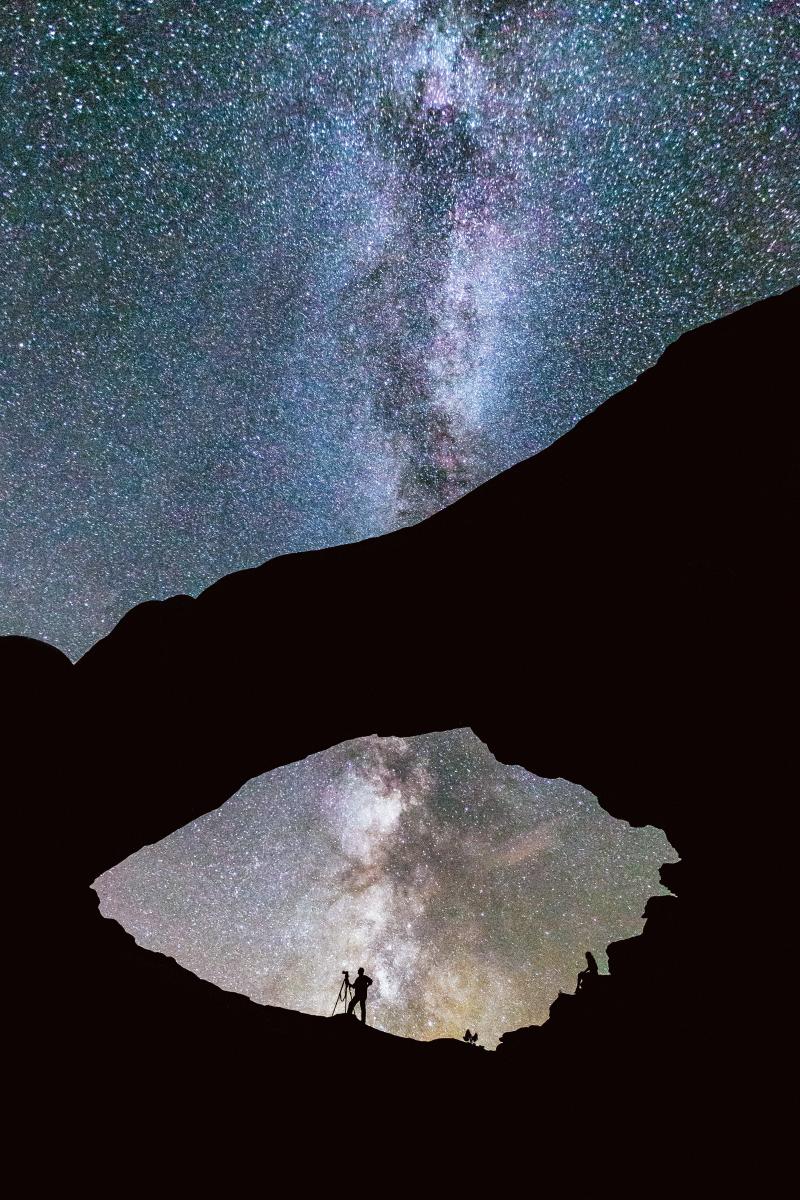
Night owls, rejoice! Moab is home to three International Dark Sky Parks, meaning the night skies are extra dark and the stargazing is top-tier. Pack your layers, grab a red-light headlamp and see constellations, the Milky Way, and meteor showers.
Inclusive Stays: Accessible Yurts at Dead Horse Point State Park
For travelers looking to combine accessible activities in Moab with an immersive outdoor experience, two yurts within Dead Horse Point State Park are ADA-accessible: Yurt 1 in the Moenkopi Yurts and Yurt 6 in the Wingate Yurts.
Accessible Attractions & Tours in Moab
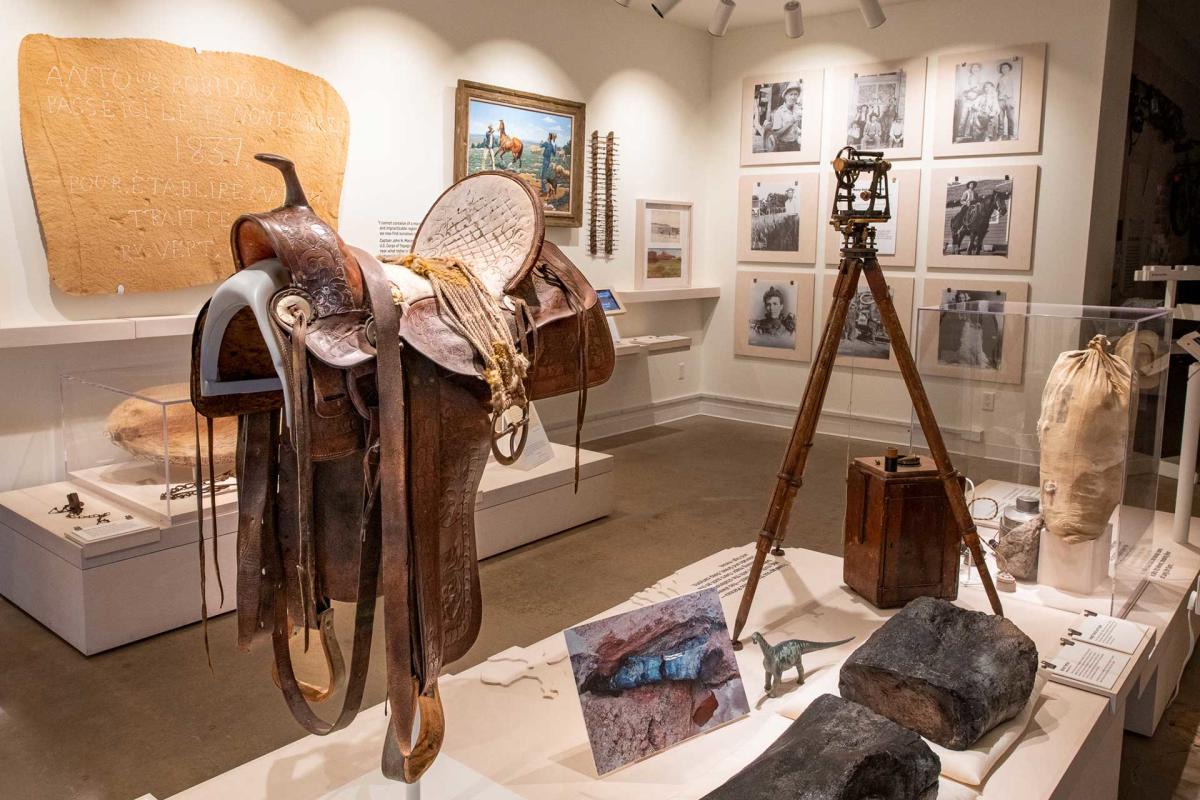
Accessibility in Moab extends beyond the trailhead. Attractions like the Moab Museum and Moab Arts offer ADA-compliant facilities and a quieter pace for visitors seeking indoor experiences.
For those looking to explore Moab’s rugged terrain, Big Iron Tours offers accessible and inclusive guided excursions throughout the region. Visit dramatic overlooks, dinosaur sites, hidden caves and scenic backcountry as you’ve never seen before.