tbox
What to See
 
Arches National Park
Arts
Canyonlands National Park
Colorado Riverway
Dead Horse Point SP
Movie Sites
Museums
National Forests
Rock Art Sites
Sand Flats/Slickrock Trail
Wetlands
Wineries
 
 
tbox
What to Do
 
4 Wheeling
ATV Riding
Ballooning
Family Fun
Fishing
Golfing
Guides & Outfitters
Hiking
Horseback Riding
Motorcycle Touring
Mountain Biking
Photography
River Activities
Scenic Drives
Scenic Flights
Skydiving
Winter Activities
 
 
tbox
Where to Stay
 
Bed & Breakfasts
Campgrounds
Condos
Guest Houses
Hotels & Motels
Property Management
Resorts
 
 
tbox
What to Know
 
Brochure Rack
Calendar of Events
Churches
Free Travel Guide
Freq. Asked Questions
Local Media
Massage & Wellness
Moab Location
Moab Map
Recycling
Restaurants
Road Construction
Shower Facilities
Sun/Moon Rise/Set
Travel Council Profile
Visitor Center
Weather
 
 
tbox
Transportation
 

SERVICES

Airline
Bus
Shuttle & Taxi
Train

RENTALS

Automobile
4WD Vehicle
ATV/Dirt Bike/Motorcycle


FREE MOAB GUIDE

Activities Guide

Explore everything that the Moab area has to offer. Our Moab Activities Planner also includes complete listings of Moab lodging, campgrounds, guides, outfitters and services. Request your free copy today!


Events Calendar

LOCATION

Nine miles northwest of Moab on US 191 and then 23 miles southwest on Utah 313 to the end of the highway.

PARK HOURS

Park Hours
6 am to 10 pm

Visitor Center Hours
Main Season:
8 am to 6 pm

Winter:
8 am to 5 pm

Holiday Closures:
Visitor Center closed Thanksgiving, Christmas, and New Year's Day (park remains open).

FEES

Day Visits: $10
Camping: $20

Mailing Address

Dead Horse Point State Park
PO Box 609
Moab. UT 84532-0609

Telephone

Visitor Center
(435) 259-2614

Camping Reservations
(800) 322-3770

Website

www.stateparks.utah.gov

MaP

Dead Horse Point Map
Park Map

Brochure

Dead Horse Point Flyer
Park Flyer


These files require Adobe Acrobat Reader for viewing. If you do not have a copy, visit their website to download a free copy.

Moab Map

Moab Map
Interactive Moab Map


Follow Moab on twitter

Dead Horse Point State Park

Dead Horse Point State Park

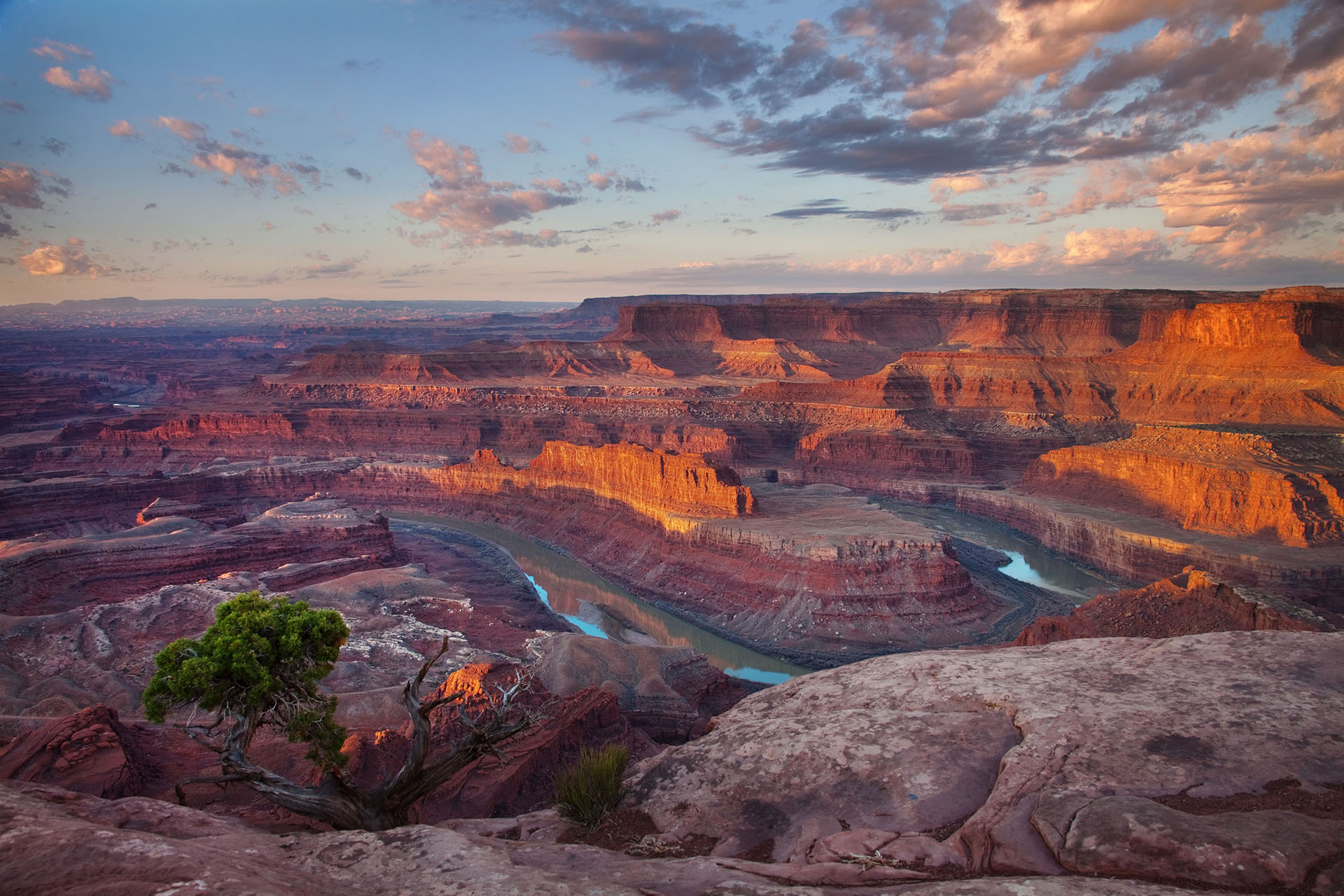
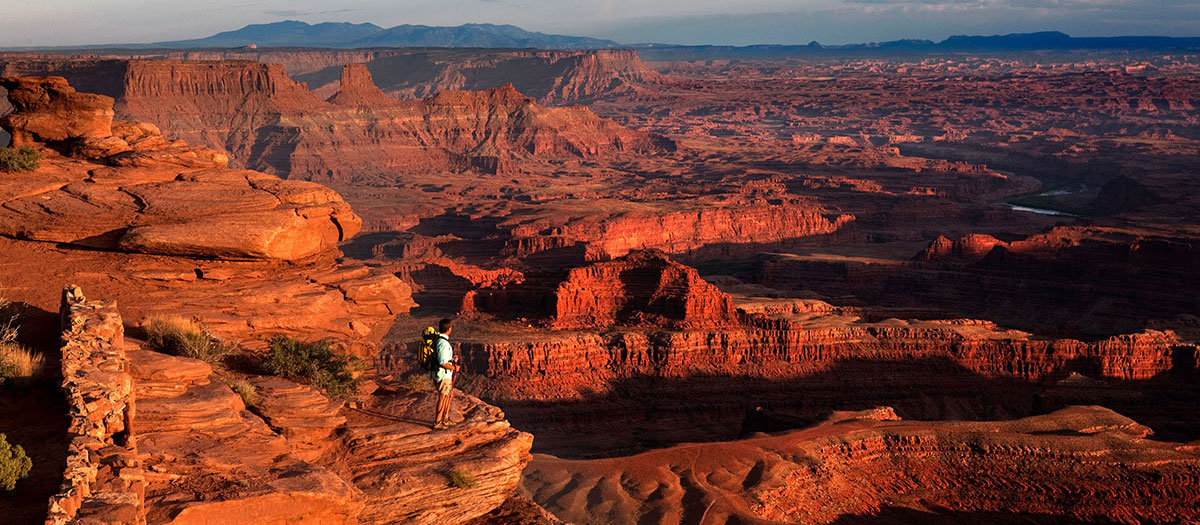
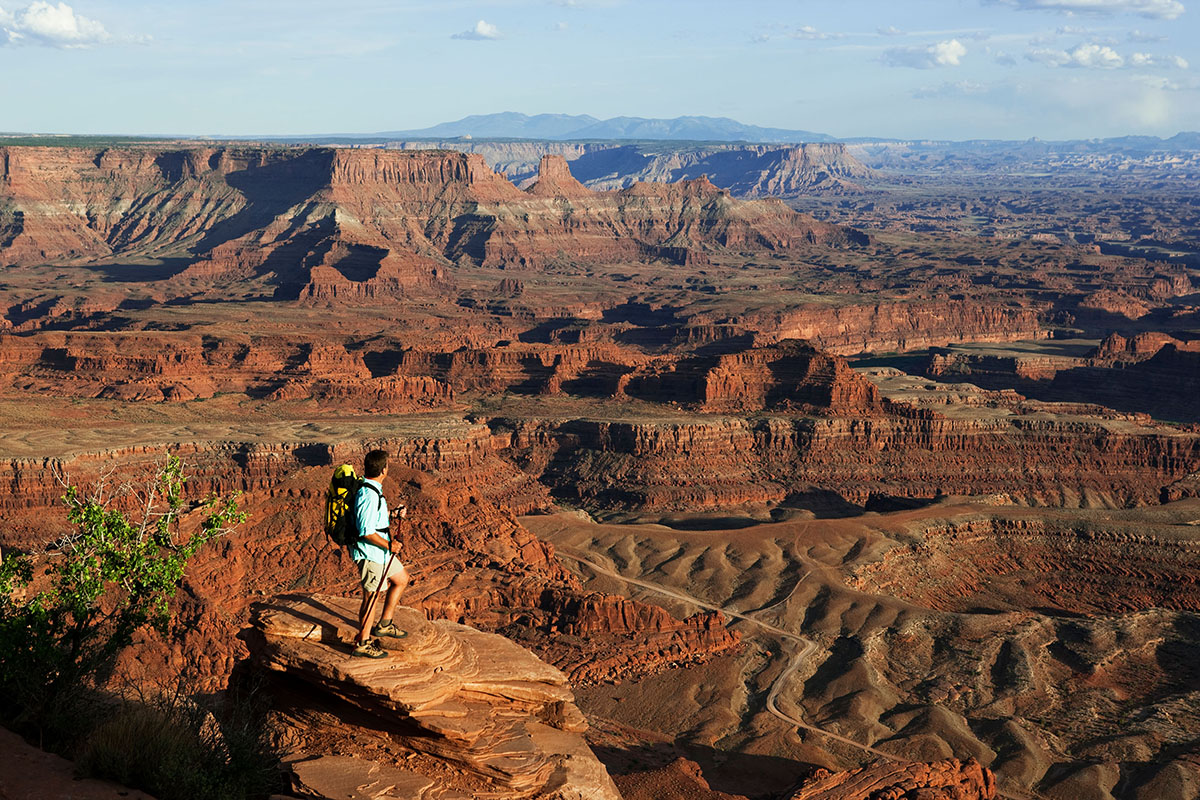
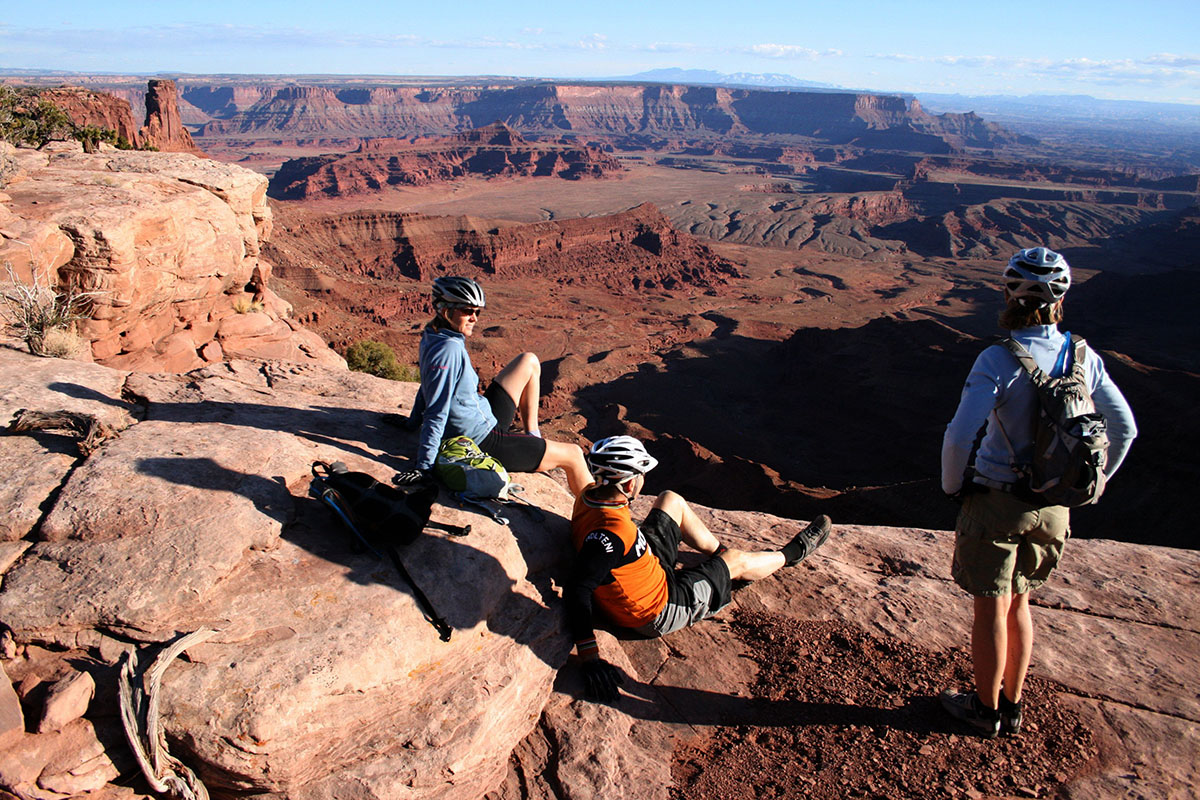
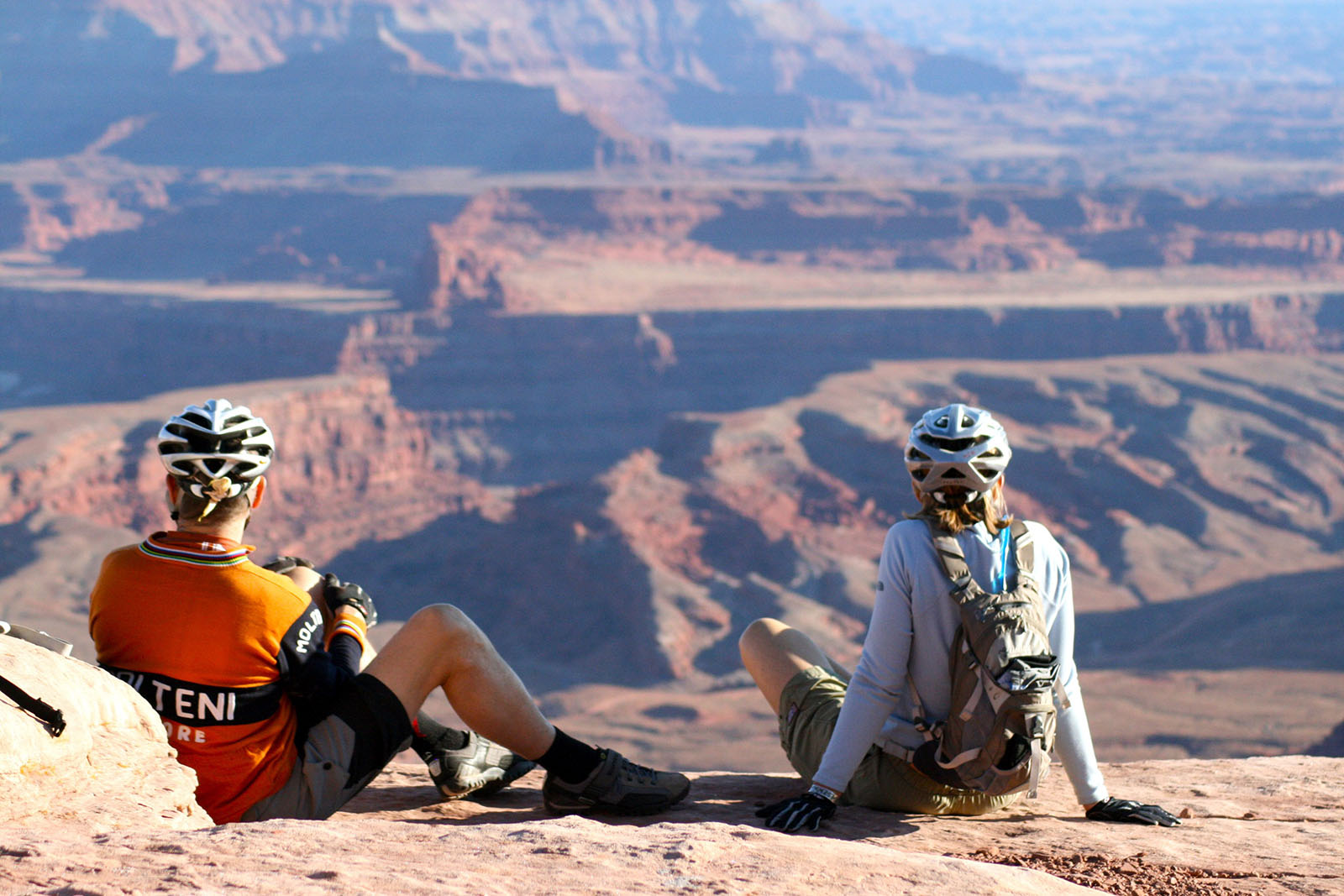
Dead Horse Point is one of Utah's most spectacular state parks. Towering 2,000 feet above the Colorado River, the park provides a breathtaking panorama of Canyonlands' sculpted pinnacles and buttes.

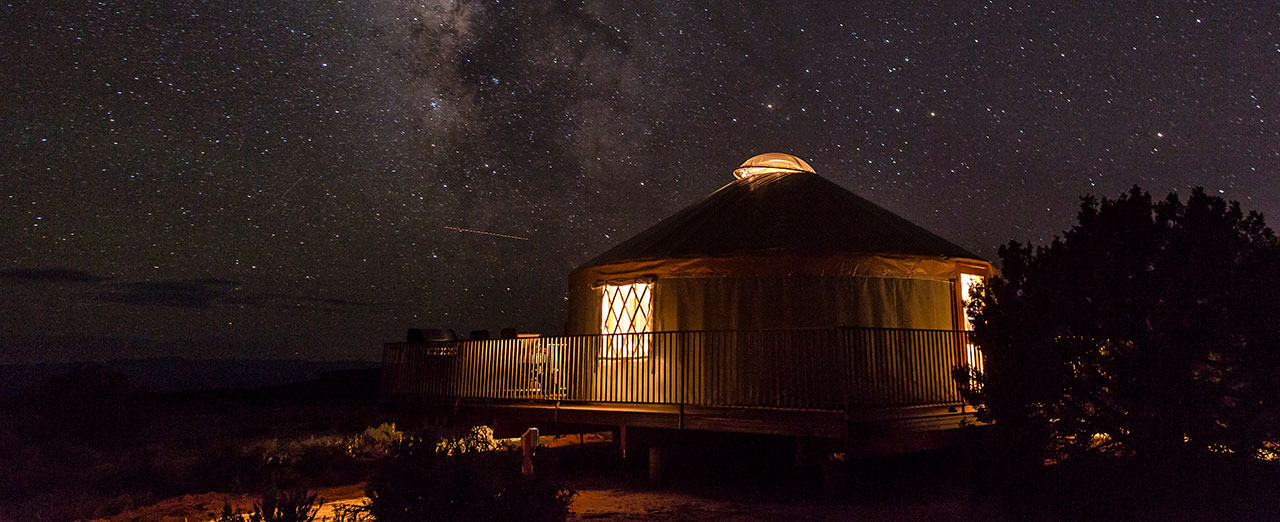
Access to Dead Horse Point is nine miles north of Moab on US 191. (Turn west on SR 313, then go 22 miles.) The visitor center, interpretive museum, developed campground and large overlook shelter make the park comfortable and informative as well as spectacular. It is open from 6 a.m. to 10 p.m. daily.

Dead Horse Point Map

The Legend of Dead Horse Point

Dead Horse Point is a peninsula of rock atop sheer sandstone cliffs. The peninsula is connected to the mesa by a narrow strip of land called the neck. There are many stories about how this high promontory of land received its name.

According to one legend, around the turn of the century the point was used as a corral for wild mustangs roaming the mesa top. Cowboys rounded up these horses, herded them across the narrow neck of land and onto the point. The neck, which is only 30 yards wide, was then fenced off with branches and brush. This created a natural corral surrounded by precipitous cliffs, affording no escape. Cowboys then chose the horses they wanted and let the culls or broomtails go free. One time, for some unknown reason, horses were left corralled on the waterless point where they died of thirst within view of the Colorado River, 2,000 feet below.

Facilities and Services


Plants and Animals

Vegetation and wildlife exist on a limited supply of water in this and desert environment. The park receives about 10 inches of precipitation per year. Plants have adapted by reducing the size of their leaves. Smaller leaves lose less water through evaporation. Some plants have a waxy coating on their leaves that helps reduce water loss. Other plants go through a dormant phase during dry spells. Some seeds lie dormant in the dry soil for years until there is enough moisture for them to sprout and grow.

Animals often must travel many miles to find water or wait several weeks for rain. They have developed special adaptations to drought and heat. Most desert animals are nocturnal, resting in the shade or in their burrows during the heat of the day. They venture out in the cooler morning and evening hours to hunt and forage for food. Some animals get water from the food they eat and can go for weeks without a drink of water. Others have oversized ears that radiate heat away from their bodies to keep them cooler.

Desert animals have only a slight edge on the harsh environment in which they live. Chasing or harassing them uses tip precious reserves they cannot afford to lose. Please respect their home and do not disrupt their tenuous struggle for existence.

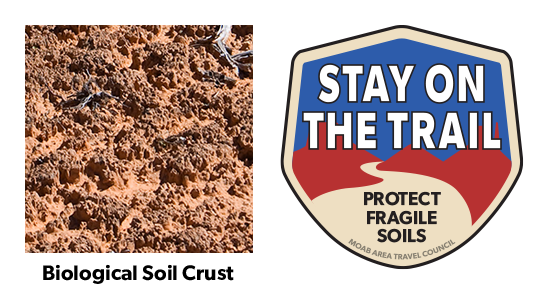
Cryptobiotic soil and potholes are unique ecosystems found at Dead Horse Point. They are very fragile and should not be disturbed.

Activities

Interpretive exhibits at the visitor center include informational displays about canyon country geology, local plants and animals, prehistoric cultures and park history. Videos are available for viewing upon request. A self-guided nature walk around the visitor center educates visitors about plants, animals, geology and the park environment.

Rangers present interpretive programs each evening in the visitor center amphitheater from May through September. A Junior Ranger program is offered for young visitors who want to learn more about the park and earn a Junior Ranger badge.

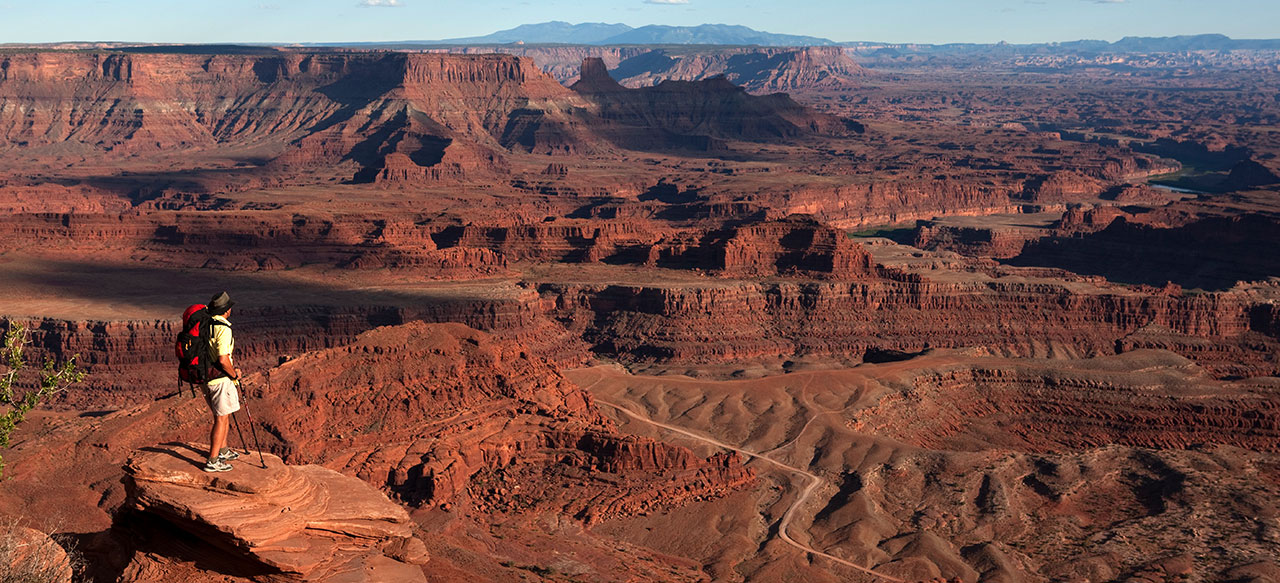
Ten miles of hiking trails in the park include two joining loops around the rim and several spurs to beautiful viewpoints.
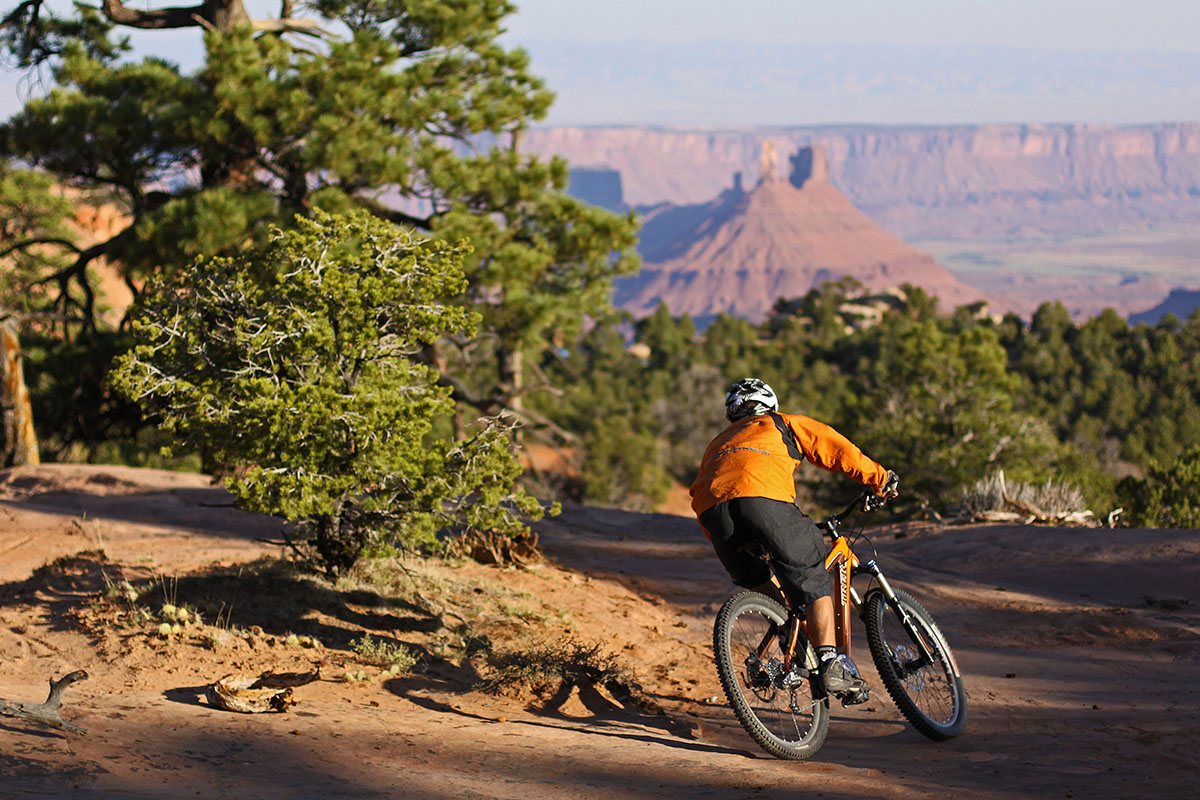
Mountain Biking: The Intrepid Trail SYSTEM

Baby Steps Map
Trail Map

Trailhead
Dead Horse Point State Park, 32 miles west of Moab

Difficulty
Easy to Moderate

Length
Intrepid Loop: 1.1 miles
Great Pyramid Loop: 4.2 miles
Big Chief Loop: 9.0 miles

Elevation @ Trailhead
5900’

Season
Ideal in spring, fall and winter; midday heat in July and August

Directions
Nine miles northwest of Moab on US 191 and then 23 miles southwest on Utah 313 to the end of the highway.

Description
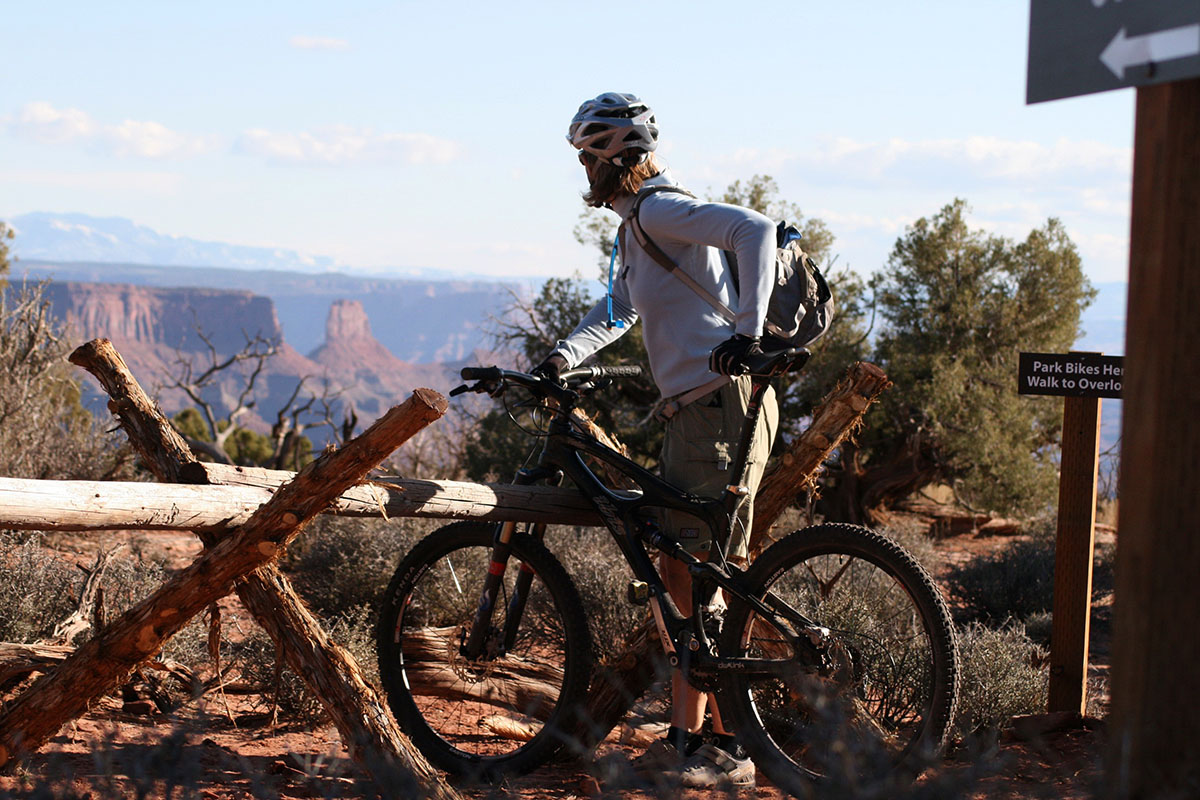
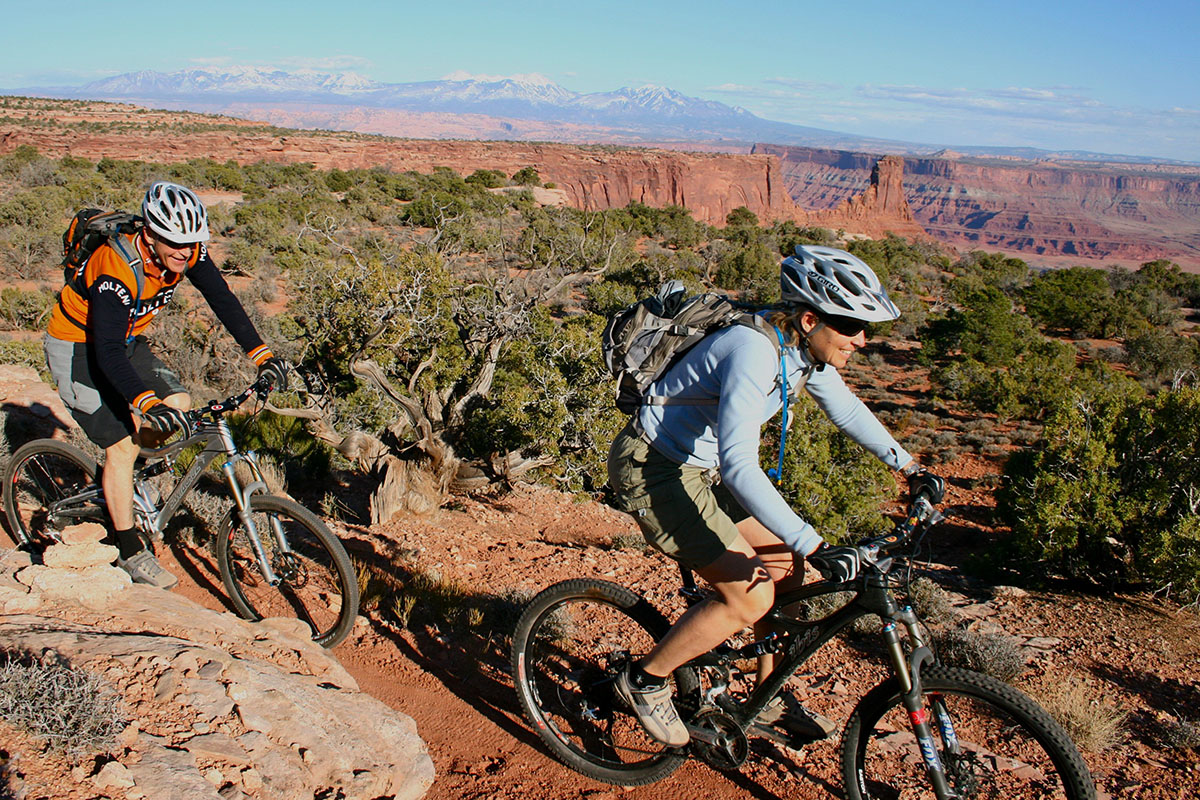
With slickrock sections, looping singletrack, sandy washes, and incredible scenery, the Intrepid Trail System provides a great taste of what Moab mountain biking is all about. This is the perfect ride for families and offers spectacular views of the Colorado River and Canyonlands National Park.

The Intrepid Trail System has three hiking and biking loops ranging from one to nine miles with varying degrees of difficulty. The easiest and shortest loop is Intrepid, followed by Great Pyramid, with Big Chief as the most challenging. The nested loop trails will offer opportunities for visitors of all ages and abilities, and provide breathtaking views.
The Intrepid Trail was made possible through great public/private partnerships. Intrepid Potash, Inc., for which the trail is named, gave $20,000 for construction of a new single-track, non-motorized trail system. The trail was built by Trail Mix, a local volunteer organization, and volunteers from the Utah Conservation Corps, American Conservation Experience and Moab Trails Alliance. The National Park Service and Utah State Parks also worked on the project. Dead Horse Point State Park is located approximately 30 miles from Moab. The park also offers camping and day-use facilities, visitor center, and naturalist programs. For more information call (435) 259-2614.

Geological Sketch

Dead Horse Point is situated atop a high plateau at an elevation of about 6,000 feet above sea level. From the point, a "layer cake" of geologic time may be viewed, revealing 300 million years of the earth's geologic history. While standing on the canyon rim, 8,000 feet of geologic strata is visible looking from the peaks of the 12.000 foot high La Sal Mountains to the river below. These rock layers were deposited over the eons by oceans, fresh water and wind as well as isolated igneous events.

Sediments at the 4,000-foot river level were deposited during the Pennsylvanian period, 300 million years ago. The La Sal Mountains are composed of igneous rocks from an ancient laccolith that formed during the Tertiary period about 25 million years ago. Also during the Tertiary period, uplifting caused by continental drift elevated the entire Colorado Plateau by more than a mile. The Colorado River was born during this regional uplift, and has been carving down through the sediments ever since. Erosion continues today as the river winds from the Continental Divide high in the Colorado Rocky Mountains to the Pacific Ocean at the Sea of Cortez (a distance of 1,400 miles) sculpting ancient rock layers into the spectacular panorama seen from Dead Horse Point.

Weather

Clear desert skies offer visibility from 80 to 100 miles most days. Low humidify and sparse vegetation allow evenings to cool off rapidly.

A high of 108 occurred in July 1989 and a low of minus 14 in February 1989. The highest wind speed was 83 mph in May 1992. Annual precipitation is about 10 inches per year.

Safety Tips

camping Reservations

Advance reservations are available for group-use and individual campsites. Individual campsite reservations may be made a minimum of three days in advance of arrival and up to 16 weeks in advance of park check-out date. Group areas may be reserved up to 11 months in advance.

To make a reservation, please call 322-3770 in the Salt Lake City calling area or toll free 1-800-322-3770. Reservations are not required but recommended March through October. Unreserved sites are available on a first-come, first-served basis.

User Fees

Day-use and camping fees are charged year-round. Additional fees are charged for group-use and reservations.

Guidelines

Please observe these regulations to ensure that everyone's visit is pleasant:

Dead Horse Point was designated a state park on December 18. 1959. It comprises a total land base of about 5,250 acres, most of which is located on the mesa top.

Home Calendar of Events